All Posts By

[email protected]

Bring the Conversation to the Table: Understand Your Family Health History

As family travels from near and far to be together during the holiday season, it’s an opportune time for you to not only cherish the time with your loved ones, but also gain a deeper understanding of your family’s health history. Take the time to have important conversations about family health history. Discussing your family’s health background doesn’t have to overshadow the festive atmosphere, however, it can be a valuable way to understand potential health issues that may be hereditary, allowing you to proactively address them with your healthcare provider.

Understanding your family’s health history is crucial for everyone. It empowers you to develop a strategy for managing any potential health concerns. For instance, a family history of breast cancer can be associated with an increased risk of prostate cancer. Certain genetic mutations that elevate the risk of breast cancer also raise the likelihood of prostate cancer in men. Therefore, if you discover a family member has had breast cancer, it’s important to discuss your own cancer risk with your doctor.

This holiday season, take a moment to engage in discussions with your family about the significance of understanding your health history. The more you comprehend potential health impacts, the better equipped you and your doctor are to address them early on, allowing you to continue relishing those special holiday moments.

Understanding Pancreatic Cancer

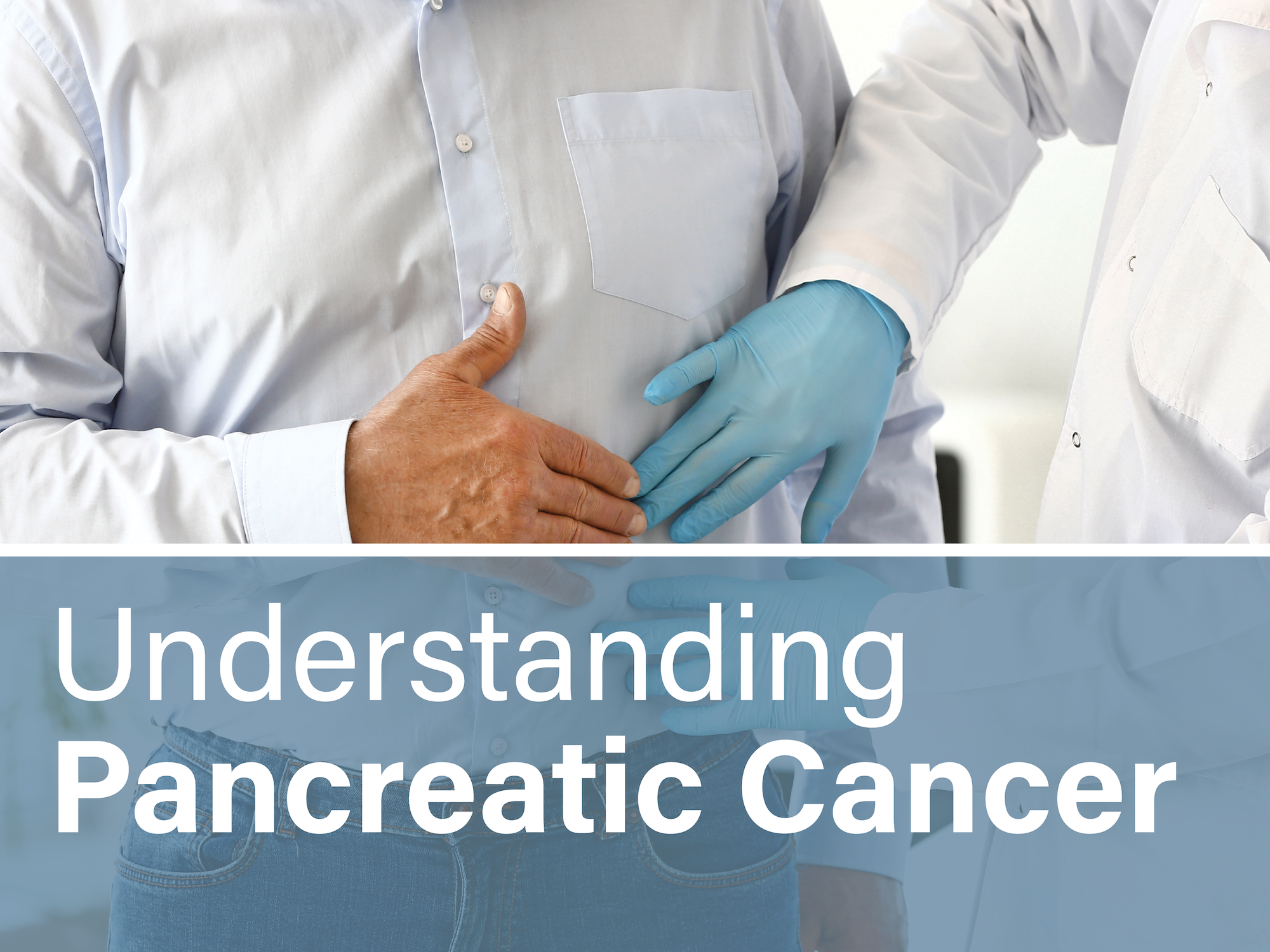
Although one of the deadliest forms of cancer, pancreatic cancer is also one of the most difficult cancers to detect in its early stages. Oftentimes, symptoms are not present until the cancer has become very large or spread to other organs. To prevent this disease, it’s important to understand how it develops and some of the risk factors of pancreatic cancer.

Understanding Pancreatic Cancer

Pancreatic cancer occurs when abnormal cells in the pancreas grow uncontrollably, forming tumors. The pancreas, a vital organ located behind the stomach, plays a key role in digestion and blood sugar regulation.

Recognizing the Signs and Symptoms:

While symptoms may vary, it’s essential to be aware of common signs that could indicate pancreatic cancer:

  • Jaundice: Yellowing of the skin and eyes.
  • Belly or Back Pain: Discomfort or pain in the abdomen, which may radiate to the back.
  • Unexplained Weight Loss: Significant, unexplained weight loss over a short period.
  • Changes in Stool: Light-colored, oily, or dark stools.
  • Loss of Appetite: A noticeable decrease in appetite and feelings of fullness.

Risk Factors

Certain factors increase the risk of developing pancreatic cancer, including:

  • Age: The risk increases with age, with most cases diagnosed after the age of 65.
  • Smoking: Smokers are at a higher risk than non-smokers.
  • Family History: A family history of pancreatic cancer or certain genetic syndromes can elevate the risk.
  • Diabetes: People with long-standing diabetes have an increased risk.
  • Chronic Pancreatitis: Ongoing inflammation of the pancreas can raise the risk.

Early Detection

Common forms of early testing include genetic testing and imaging.

Genetic Testing: Identifying genetic mutations can help assess the risk of developing pancreatic cancer, especially for those with a family history.

Imaging Techniques: Advanced imaging methods, such as endoscopic ultrasound (EUS) and magnetic resonance imaging (MRI), provide detailed images of the pancreas, aiding in early detection.

While detecting pancreatic cancer early remains challenging, ongoing research and advancements in medical technology offer hope for improving early detection rates. Awareness of the signs, understanding risk factors, and regular health check-ups are vital in the fight against this aggressive disease. By staying informed and proactive, individuals can take charge of their health and contribute to the ongoing efforts to detect pancreatic cancer at an early, more treatable stage.

EXPERT CARE

Our caring team of experts are here to provide you with a custom-tailored treatment plan that is unique to your diagnosis, tumor size, location and involvement. Click on the button below to learn more.

Understanding Pancreatic Cancer

Although one of the deadliest forms of cancer, pancreatic cancer is also one of the most difficult cancers to detect in its early stages. Oftentimes, symptoms are not present until the cancer has become very large or spread to other organs. To prevent this disease, it’s important to understand how it develops and some of the risk factors of pancreatic cancer.

Understanding Pancreatic Cancer

Pancreatic cancer occurs when abnormal cells in the pancreas grow uncontrollably, forming tumors. The pancreas, a vital organ located behind the stomach, plays a key role in digestion and blood sugar regulation.

Recognizing the Signs and Symptoms:

While symptoms may vary, it’s essential to be aware of common signs that could indicate pancreatic cancer:

  • Jaundice: Yellowing of the skin and eyes.
  • Belly or Back Pain: Discomfort or pain in the abdomen, which may radiate to the back.
  • Unexplained Weight Loss: Significant, unexplained weight loss over a short period.
  • Changes in Stool: Light-colored, oily, or dark stools.
  • Loss of Appetite: A noticeable decrease in appetite and feelings of fullness.

Risk Factors

Certain factors increase the risk of developing pancreatic cancer, including:

  • Age: The risk increases with age, with most cases diagnosed after the age of 65.
  • Smoking: Smokers are at a higher risk than non-smokers.
  • Family History: A family history of pancreatic cancer or certain genetic syndromes can elevate the risk.
  • Diabetes: People with long-standing diabetes have an increased risk.
  • Chronic Pancreatitis: Ongoing inflammation of the pancreas can raise the risk.

Early Detection

Common forms of early testing include genetic testing and imaging.

Genetic Testing: Identifying genetic mutations can help assess the risk of developing pancreatic cancer, especially for those with a family history.

Imaging Techniques: Advanced imaging methods, such as endoscopic ultrasound (EUS) and magnetic resonance imaging (MRI), provide detailed images of the pancreas, aiding in early detection.

While detecting pancreatic cancer early remains challenging, ongoing research and advancements in medical technology offer hope for improving early detection rates. Awareness of the signs, understanding risk factors, and regular health check-ups are vital in the fight against this aggressive disease. By staying informed and proactive, individuals can take charge of their health and contribute to the ongoing efforts to detect pancreatic cancer at an early, more treatable stage.

Pancreatic Cancer Care

At Bardmoor Cancer Center, it is very important to do a comprehensive pancreatic cancer work-up to carefully evaluate the extent of the cancer. Click on the button below to learn more about our pancreatic cancer care.

Breathe Easy this November: Three Things to Know About Lung Cancer

November is Lung Cancer Awareness Month. Lung cancer doesn’t discriminate; it affects both smokers and non-smokers, emphasizing the importance of awareness and education no matter your lifestyle. With a disease prevalent among millions worldwide, there are steps you take now to reduce your risk. Check out these three key facts about lung cancer. Keep them in mind this month and evaluate your lifestyle and health. Is it time to make some changes this November?

Fact 1: Prevalence and Impact:
Lung cancer is one of the most prevalent cancers globally. It is the leading cause of cancer-related deaths, responsible for approximately 2 million deaths each year.

Fact 2: Complex Causes and Risk Factors:
While smoking remains a significant contributor to lung cancer cases, non-smokers are also at risk. Exposure to secondhand smoke, environmental factors like air pollution, and genetic predisposition can increase the likelihood of developing lung cancer. Occupational hazards, such as exposure to asbestos and radon gas, are additional risk factors. Understanding these complexities emphasizes the importance of comprehensive prevention strategies, including smoking cessation programs, promoting clean air initiatives, and workplace safety measures.

Fact 3: Progress in Treatment and Early Detection:
Advances in medical research have led to significant progress in lung cancer treatments. Targeted therapies and immunotherapy have revolutionized the way we approach this disease, offering more personalized and effective options for patients. Additionally, early detection through screening methods like low-dose computed tomography (LDCT) scans has proven to be instrumental in diagnosing lung cancer at earlier, more treatable stages.

Understanding the facts about lung cancer is the first step towards reducing your risk of lung cancer. Stay proactive and encourage your family or loved ones to learn about lung cancer causes and prevention.

LUNG CANCER CARE

Typically, lung cancer is more prominent in older individuals, with most cases being diagnosed past the age of 65. It’s important to have the very latest treatment options with highly trained professionals in a comfortable and caring setting, close to your home. Click the button below to learn more about our approach to lung cancer diagnosis and care.

Breathe Easy this November: Three Things to Know About Lung Cancer

November is Lung Cancer Awareness Month. Lung cancer doesn’t discriminate; it affects both smokers and non-smokers, emphasizing the importance of awareness and education no matter your lifestyle. With a disease prevalent among millions worldwide, there are steps you take now to reduce your risk. Check out these three key facts about lung cancer. Keep them in mind this month and evaluate your lifestyle and health. Is it time to make some changes this November?

Fact 1: Prevalence and Impact:
Lung cancer is one of the most prevalent cancers globally. It is the leading cause of cancer-related deaths, responsible for approximately 2 million deaths each year.

Fact 2: Complex Causes and Risk Factors:
While smoking remains a significant contributor to lung cancer cases, non-smokers are also at risk. Exposure to secondhand smoke, environmental factors like air pollution, and genetic predisposition can increase the likelihood of developing lung cancer. Occupational hazards, such as exposure to asbestos and radon gas, are additional risk factors. Understanding these complexities emphasizes the importance of comprehensive prevention strategies, including smoking cessation programs, promoting clean air initiatives, and workplace safety measures.

Fact 3: Progress in Treatment and Early Detection:
Advances in medical research have led to significant progress in lung cancer treatments. Targeted therapies and immunotherapy have revolutionized the way we approach this disease, offering more personalized and effective options for patients. Additionally, early detection through screening methods like low-dose computed tomography (LDCT) scans has proven to be instrumental in diagnosing lung cancer at earlier, more treatable stages.

Understanding the facts about lung cancer is the first step towards reducing your risk of lung cancer. Stay proactive and encourage your family or loved ones to learn about lung cancer causes and prevention.

Lung Cancer Care

Once the cancer is diagnosed is very important to do a comprehensive lung cancer work-up to carefully evaluate the extent of the cancer. Learn how we diagnose and treat lung cancer. Click on the button below to learn more.

Know the Power of Pink: Breast Cancer Awareness Month

Breast cancer affects millions of lives in the United States alone. We embrace the color pink this month to raise awareness for breast cancer because being informed is the first step to preventing this common disease.

Let’s uncover the facts about breast cancer, empowering you with information that can save lives. Understanding the nuances of this disease is key to early detection, prevention, and support for those affected.

Fact 1: Breast Cancer is Common, but Early Detection Saves Lives:

Breast cancer is the most diagnosed cancer among women globally, regardless of ethnicity or background. The encouraging news is that when detected early, the survival rate is significantly higher. Regular screenings, like mammograms and clinical breast exams, play a crucial role in early detection.

Fact 2: Men Can Get Breast Cancer Too:

Although rare, men can also develop breast cancer. Due to the low awareness about this, diagnosis often occurs at a later stage. It’s essential for everyone, regardless of gender, to be aware of the signs and symptoms.

Fact 3: Genetics and Lifestyle:

While a family history of breast cancer can increase the risk, the majority of breast cancer cases occur in women without a family history. Healthy lifestyle choices, such as regular exercise, maintaining a healthy weight, limiting alcohol consumption, and avoiding smoking, can significantly reduce the risk.

Fact 4: Diverse Forms of Breast Cancer Exist:

Breast cancer isn’t a one-size-fits-all disease. There are various types, including ductal carcinoma in situ (DCIS), invasive ductal carcinoma, and triple-negative breast cancer. Each type requires specific treatments, highlighting the importance of accurate diagnosis.

Fact 5: Advances in Treatment:

Advancements in medical science have led to targeted therapies and immunotherapies, transforming breast cancer treatment. Personalized medicine tailors treatments based on the genetic makeup of the tumor, increasing their effectiveness and reducing side effects.

Fact 6: The Role of Support Networks:

A strong support system significantly impacts the journey of breast cancer patients. Emotional support, from friends, family, or support groups, can alleviate the challenges faced during and after treatment. Awareness and understanding within communities foster empathy and solidarity.

Breast cancer awareness isn’t just a month-long campaign; it’s a year-round commitment. By knowing the facts, promoting early detection, advocating for research, and offering support, we can create a world where breast cancer is detected early, treated effectively, and, ultimately, defeated.

Let’s stand together, armed with knowledge and compassion, in the fight against breast cancer. Together, we can make a difference and save lives.

EXPERT CARE

No two situations are the same. That’s why our caring team of experts are here to provide you with a custom-tailored treatment plan that is unique to your diagnosis, tumor size, location and involvement. Click on the button below to learn more.

Exploring the Five Types of Gynecological Cancer

In recognition of Gynecological Awareness Month, we’re shedding some light on the 5 types of gynecological cancer to help understand contributing risk factors and preventative detection. Women can feel confident in taking control of their health with knowledge to promote early detection, effective treatment, and overall well-being.

1. Ovarian Cancer:

Ovarian cancer originates in the ovaries, the small organs responsible for producing eggs and hormones. Often called the “silent killer,” ovarian cancer’s symptoms are vague and easily mistaken for other conditions. Risk factors include a family history of ovarian or breast cancer, mutations in the BRCA1 or BRCA2 genes, and increasing age. Regular pelvic examinations and awareness of symptoms like bloating, abdominal pain, and changes in bowel habits are crucial for early detection.

2. Cervical Cancer:

Cervical cancer primarily arises from the cells lining the cervix, the lower part of the uterus that connects to the vagina. Persistent infection with high-risk strains of the human papillomavirus (HPV) is the main risk factor. Regular Pap tests (Pap smears) can detect precancerous changes early, allowing for intervention before the cancer develops. HPV vaccines are also available for preventive measures.

3. Uterine (Endometrial) Cancer:

Uterine cancer originates in the lining of the uterus, called the endometrium. It is often linked to hormonal imbalances, particularly excess estrogen. Obesity, diabetes, and a late onset of menopause are risk factors. Unusual vaginal bleeding, particularly after menopause, is a common symptom. Early diagnosis can lead to effective treatment options like surgery, radiation, or chemotherapy.

4. Vaginal Cancer:

Vaginal cancer is a rare type of gynecological cancer that forms in the cells lining the vagina. It can develop in women of any age, but is more common in older women. Risk factors include exposure to the drug diethylstilbestrol (DES) during pregnancy, a history of cervical cancer, and smoking. Symptoms may include vaginal bleeding, pain, and discomfort.

5. Vulvar Cancer:

Vulvar cancer occurs on the external genitalia, including the labia, clitoris, and vaginal opening. It can stem from changes in the skin cells of the vulva. Risk factors include HPV infection, a history of precancerous conditions, and conditions that weaken the immune system. Symptoms may involve itching, pain, and changes in the skin’s appearance.

Regular screenings, awareness of symptoms, and lifestyle choices can collectively contribute to early detection and prevention. By navigating the terrain of ovarian, cervical, uterine, vaginal, and vulvar cancer, women can take charge of their health and promote a brighter, cancer-free future.

EXPERT CARE

At Northern Ohio Regional Cancer Center, we understand how hard it can be to choose the perfect team for the treatment of gynecologic cancer. It’s important to have the very latest treatment options with highly trained professionals in a comfortable and caring setting, close to your home. Click the button below to learn more.
If You Have Prostate Cancer: Questions to Ask Your Doctor

A prostate cancer diagnosis can be overwhelming and scary. You will probably have lots of questions, and wonder where to even begin. Be open with your doctor with your questions and concerns. Here’s a guide you can follow to gain understanding of what to expect.

Understand the stage and seriousness of the cancer. The stage of the cancer is how far the cancer has spread. Knowing the stage of your cancer is important so your doctor can determine what types of treatment might be best for you.

The American Cancer Society recommends these questions:

  • Do you know the stage and risk group of cancer?
  • If not, how and when will you find out?
  • Would you explain to me what the stage and risk group mean in my case?
  • What will happen next?

The big question on your mind will be, How do I fight it? Your doctor will discuss treatment options with you. Determining a treatment plan will consider things like the cancer type, stage and grade for the cancer, pre-existing health problems, and your personal concerns among many other factors.

The main kinds of treatment are observation, active surveillance, surgery, radiation, hormone therapy, and chemo. Sometimes more than one kind of treatment is used.

What will happen after treatment?

After treatment, your doctor will want you to come back for follow-up visits. You will be asked about symptoms, get exams and potentially have blood tests and other tests to monitor indicators.

It will be hard not to worry about a recurrence, but with regular check ups with your doctor, and implementing a healthy lifestyle, you can stay ahead of recurrence and have ease of mind.

The longer you’re cancer-free, the less often the visits are needed.

EARLY DETECTION IS KEY

An important part of the treatment process for prostate cancer is detecting it as early as possible. If you are interested in getting a prostate screening, please fill out the form, and one of our team members will contact you to set up an appointment. Click the button below to visit the form.

Exploring the Five Types of Gynecological Cancer

In recognition of Gynecological Awareness Month, we’re shedding some light on the 5 types of gynecological cancer to help understand contributing risk factors and preventative detection. Women can feel confident in taking control of their health with knowledge to promote early detection, effective treatment, and overall well-being.

1. Ovarian Cancer:

Ovarian cancer originates in the ovaries, the small organs responsible for producing eggs and hormones. Often called the “silent killer,” ovarian cancer’s symptoms are vague and easily mistaken for other conditions. Risk factors include a family history of ovarian or breast cancer, mutations in the BRCA1 or BRCA2 genes, and increasing age. Regular pelvic examinations and awareness of symptoms like bloating, abdominal pain, and changes in bowel habits are crucial for early detection.

2. Cervical Cancer:

Cervical cancer primarily arises from the cells lining the cervix, the lower part of the uterus that connects to the vagina. Persistent infection with high-risk strains of the human papillomavirus (HPV) is the main risk factor. Regular Pap tests (Pap smears) can detect precancerous changes early, allowing for intervention before the cancer develops. HPV vaccines are also available for preventive measures.

3. Uterine (Endometrial) Cancer:

Uterine cancer originates in the lining of the uterus, called the endometrium. It is often linked to hormonal imbalances, particularly excess estrogen. Obesity, diabetes, and a late onset of menopause are risk factors. Unusual vaginal bleeding, particularly after menopause, is a common symptom. Early diagnosis can lead to effective treatment options like surgery, radiation, or chemotherapy.

4. Vaginal Cancer:

Vaginal cancer is a rare type of gynecological cancer that forms in the cells lining the vagina. It can develop in women of any age, but is more common in older women. Risk factors include exposure to the drug diethylstilbestrol (DES) during pregnancy, a history of cervical cancer, and smoking. Symptoms may include vaginal bleeding, pain, and discomfort.

5. Vulvar Cancer:

Vulvar cancer occurs on the external genitalia, including the labia, clitoris, and vaginal opening. It can stem from changes in the skin cells of the vulva. Risk factors include HPV infection, a history of precancerous conditions, and conditions that weaken the immune system. Symptoms may involve itching, pain, and changes in the skin’s appearance.

Regular screenings, awareness of symptoms, and lifestyle choices can collectively contribute to early detection and prevention. By navigating the terrain of ovarian, cervical, uterine, vaginal, and vulvar cancer, women can take charge of their health and promote a brighter, cancer-free future.

Women’s Cancer Care

Our caring team of experts are here to provide you with a custom-tailored treatment plan in women’s health that is unique to your diagnosis, tumor size, location and involvement. Click on the button below to learn more.

If You Have Prostate Cancer: Questions to Ask Your Doctor

A prostate cancer diagnosis can be overwhelming and scary. You will probably have lots of questions, and wonder where to even begin. Be open with your doctor with your questions and concerns. Here’s a guide you can follow to gain understanding of what to expect.

Understand the stage and seriousness of the cancer. The stage of the cancer is how far the cancer has spread. Knowing the stage of your cancer is important so your doctor can determine what types of treatment might be best for you.

The American Cancer Society recommends these questions:

  • Do you know the stage and risk group of cancer?
  • If not, how and when will you find out?
  • Would you explain to me what the stage and risk group mean in my case?
  • What will happen next?

The big question on your mind will be, How do I fight it? Your doctor will discuss treatment options with you. Determining a treatment plan will consider things like the cancer type, stage and grade for the cancer, pre-existing health problems, and your personal concerns among many other factors.

The main kinds of treatment are observation, active surveillance, surgery, radiation, hormone therapy, and chemo. Sometimes more than one kind of treatment is used.

What will happen after treatment?

After treatment, your doctor will want you to come back for follow-up visits. You will be asked about symptoms, get exams and potentially have blood tests and other tests to monitor indicators.

It will be hard not to worry about a recurrence, but with regular check ups with your doctor, and implementing a healthy lifestyle, you can stay ahead of recurrence and have ease of mind.

The longer you’re cancer-free, the less often the visits are needed.