Category

Nutrition

Nutrition & Immunity During Cancer Treatment

Nutrition plays a vital role in maintaining strength and supporting the immune system during cancer treatment. As we enter the colder months, it’s a perfect time to focus on foods that help your body stay resilient.

Immune-Boosting Foods

  • Citrus fruits for vitamin C
  • Leafy greens for antioxidants
  • Lean proteins to support healing
  • Greek yogurt for gut health
  • Nuts and seeds for healthy fats and minerals

Hydration Matters

Dry winter air, medications, and treatment can all increase dehydration risk. Drinking plenty of fluids—water, electrolyte beverages, herbal teas—helps your body manage treatment side effects and maintain energy.

When to Talk With a Nutritionist

If you’re experiencing appetite loss, weight changes, nausea, or difficulty eating, our oncology nutrition team can help design a personalized plan to keep you nourished and supported.

Eating Well with Cancer During the Holidays

The holiday season is often filled with rich foods, festive gatherings, and indulgent treats. For individuals undergoing cancer treatment, maintaining a balanced diet can feel challenging but is an important part of supporting overall health and well-being. With a few mindful strategies, you can enjoy the season’s flavors while prioritizing your nutritional needs.

  1. Focus on Nutrient-Rich Foods

Cancer treatment can increase your body’s need for certain nutrients. Choose holiday dishes that offer nutritional benefits:

  • Lean Proteins: Turkey, chicken, fish, beans, and tofu are great choices for maintaining strength.
  • Colorful Vegetables: Include a variety of vegetables like spinach, carrots, and sweet potatoes to boost your intake of vitamins and minerals.
  • Whole Grains: Opt for whole grain bread, brown rice, or quinoa for added fiber and sustained energy.
  1. Small, Frequent Meals

If you’re experiencing appetite loss or nausea, eating smaller, more frequent meals can help.

  • Focus on lighter holiday dishes, like roasted vegetables, soups, or salads.
  • Keep nutritious snacks like nuts, cheese, or fruit on hand for quick energy boosts.
  1. Stay Hydrated

Cancer treatments can lead to dehydration, especially during the colder months when you might not feel as thirsty.

  • Sip on water, herbal teas, or clear broths throughout the day.
  • Limit alcohol and caffeine, as these can dehydrate and irritate the stomach.
  1. Be Mindful of Food Safety

A weakened immune system can make you more susceptible to food-borne illnesses.

  • Avoid raw or undercooked foods like sushi, eggs, or unpasteurized dairy products.
  • Ensure all dishes are prepared and stored at safe temperatures.
  1. Enjoy Holiday Treats in Moderation

Moderation is helpful with holiday treats.

  • Choose smaller portions of desserts or rich dishes to satisfy cravings without overloading your system.
  • Look for healthier alternatives, like fruit-based desserts or baked goods made with whole grains.
  1. Adapt Recipes for Your Needs

If you’re cooking or bringing a dish to a gathering, consider making recipes that align with your dietary needs:

  • Swap heavy cream for low-fat milk or plant-based options.
  • Use herbs and spices to enhance flavor instead of extra salt or sugar.
  1. Communicate with Loved Ones

Let family and friends know about your dietary needs so they can help accommodate you. Many hosts will be happy to provide lighter options or adjust dishes to suit your preferences.

  1. Listen to Your Body

Your taste preferences and tolerance for certain foods may change during treatment.

The holidays are about spending time with loved ones and finding joy in the moments that matter. By focusing on balanced, nutrient-rich choices and listening to your body’s needs, you can enjoy the season while supporting your health.

For personalized advice on eating well during cancer treatment, don’t hesitate to reach out to your care team.

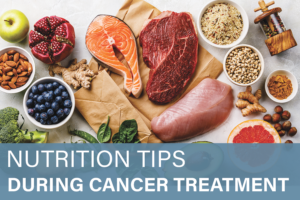
Nutrition During Cancer Treatment: Tips for Maintaining Your Health

Cancer and its treatments can significantly impact your nutrition and overall well-being. Weight loss and undernutrition are common due to a loss of appetite and other factors that affect eating. Severe undernutrition can compromise the function of vital organs such as the heart, liver, and kidneys, and impair your ability to heal from surgery, chemotherapy, and radiation side effects. Ensuring you get the right nutrients is crucial for maintaining your quality of life during this challenging time. Here are some tips to help boost your nutrition:

Opt for Several Small Meals a Day
Instead of three large meals, try eating several small meals throughout the day. This approach can make it easier to consume more calories and nutrients without feeling overwhelmed by a large plate of food.

Prioritize High-Protein Foods

When your appetite is at its peak, start your meal with high-protein foods. Protein is essential for maintaining muscle mass and supporting recovery. Foods such as beans, chicken, fish, meat, yogurt, and eggs are excellent choices to include in your diet.

Eat Your Largest Meal When You Feel Hungriest
Identify the time of day when you feel most hungry and make that your largest meal. Whether it’s breakfast, lunch, or dinner, take advantage of your hunger to consume the most calories and nutrients at that time.

Keep Food Interesting
Variety is key to keeping your meals appealing. Experiment with different recipes, seasonings, and cooking methods to find new flavors and textures. Eating at nice restaurants occasionally can also provide a pleasant change of environment and stimulate your appetite.

Keep Favorite and High-Calorie Foods Accessible
Stock up on your favorite foods and high-calorie snacks and beverages. Keeping these items readily available at home and in other places you frequently visit can encourage you to eat more regularly. High-calorie options can help you meet your nutritional needs even if you’re eating smaller portions.

Maintaining proper nutrition during cancer treatment is vital for your overall health and recovery. By implementing these tips, you can help manage weight loss and undernutrition, ensuring your body gets the nutrients it needs to support vital functions and enhance your quality of life. Always consult with your healthcare team for personalized advice and guidance on your nutritional needs during treatment. Remember, small, consistent efforts can make a significant difference in your health and well-being.

The Right Diet Plan Could Prevent Kidney Stones

Kidney stones are hard masses that form from crystals in the urine. Sometimes, they do not have recognizable symptoms, but often, kidney stones can be very painful. Either way, you will want to avoid them, or maybe you’ve had them and you’re in no rush for them to return. There are preventative actions you can take with changes to your diet plan that will help keep kidney stones from building.

Before we begin with diet recommendations, it’s important to note that all kidney stones are not the same. The most common type of kidney stone is a calcium stone, with uric acid stones following close after. Diet and medical treatment are different depending on the stone type.

The National Kidney Foundation gives these diet recommendations dependent on the kidney stone type.

1. Calcium Oxalate Stones: most common stones

Oxalate is naturally found in many foods, including fruits and vegetables, nuts and seeds, grains, legumes, and even chocolate and tea. Some examples of foods that have high levels of oxalate include peanuts, rhubarb, spinach, beets, Swiss chard, chocolate and sweet potatoes. Limiting intake of these foods may be beneficial for people who form calcium oxalate stones which is the leading type of kidney stone.

Eat and drink calcium foods such as milk, yogurt, and some cheese and oxalate-rich foods together during a meal. The oxalate and calcium from the foods are more likely to bind to one another in the stomach and intestines before entering the kidneys. This will make it less likely that kidney stones will form.

Calcium is not the enemy but it tends to get a bad rap! This is most likely due to its name and misunderstanding that calcium is the main cause in calcium-oxalate stones. A diet low in calcium actually increases your chances of developing kidney stones.

Don’t reduce the calcium in your diet. Work to cut back on the sodium in your diet and to pair calcium-rich foods with oxalate-rich foods. The recommended calcium intake to prevent calcium stones is 1000-1200 mg per day (you can eat 3 servings of dairy products with meals to meet the recommendation).

Extra sodium causes you to lose more calcium in your urine. Sodium and calcium share the same transport in the kidney so if you eat high sodium foods it will increase calcium leakage in the urine. Therefore, a high sodium diet can increase your chances for developing another stone. There are many sources of “hidden” sodium such as canned or commercially processed foods as well as restaurant-prepared and fast foods.

You can lower your sodium intake by choosing fresh low sodium foods which can help to lower calcium leakage in the urine and will also help with blood pressure control if you have high blood pressure.

2. Uric acid stones: another common stone

Red meat, organ meats, and shellfish have high amounts of a natural chemical compound known as purines. High purine intake leads to a higher production of uric acid and a larger acid load for the kidneys to excrete. Higher uric acid excretion leads to more acidic urine. The high acid concentration of the urine makes it easier for uric acid stones to form.

To prevent uric acid stones, cut down on high-purine foods such as red meat, organ meats, beer/alcoholic beverages, meat-based gravies, sardines, anchovies and shellfish. Follow a healthy diet plan that has mostly vegetables and fruits, whole grains, and low-fat dairy products. Limit sugar-sweetened foods and drinks, especially those that have high fructose corn syrup. Limit alcohol because it can increase uric acid levels in the blood and avoid short term diets for the same reason. Decreasing animal-based protein and eating more fruits and vegetables will help decrease urine acidity and this may help reduce the chance for uric acid stone formation.

General Diet Recommendations for Kidney Stones:

Drink plenty of fluid: 2-3 quarts/day
This includes any type of fluid such as water, coffee and lemonade which have been shown to have a beneficial effect with the exception of grapefruit juice and soda. This will help produce less concentrated urine and ensure a good urine volume of at least 2.5L/day.

Limit foods with high oxalate content
Spinach, many berries, chocolate, wheat bran, nuts, beets, tea and rhubarb should be eliminated from your diet intake.

Eat enough dietary calcium
Three servings of dairy per day will help lower the risk of calcium stone formation. Eat with meals.

Avoid extra calcium supplements
Calcium supplements should be individualized by your physician and registered kidney dietitian.

Eat a moderate amount of protein
High protein intakes will cause the kidneys to excrete more calcium therefore this may cause more stones to form in the kidney.

Avoid high salt intake
High sodium intake increases calcium in the urine which increases the chances of developing stones. Low salt diet is also important to control blood pressure.

Avoid high doses of vitamin C supplements
It is recommend to take 60mg/day of vitamin C based on the US Dietary Reference Intake Excess. Amounts of 1000mg/day or more may produce more oxalate in the body.

See How We Specialize Cancer Care

No two situations are the same. That’s why our caring team of experts are here to provide you with a custom-tailored treatment plan that is unique to your diagnosis, tumor size, location and involvement. Click on the button below to learn more.

A Guide to Healthy Holiday Eating

Holidays can be the most wonderful time of the year, but if you’re trying to stay true to your healthy eating plan, you might start dreading the holiday season, knowing it could be an end to your so-far-successful meal plan. The parties last for weeks, the food seems endless and everyone is splurging, so how do you avoid the pitfall and stick to your meal plan?

Here are 3 tips to help guide you in eating through the holidays.

Plan Ahead

The holidays typically are accompanied by lots of parties and social outings, which means food! And good food. You want to attend the get-togethers, but don’t want to sacrifice your meal plan. While you can’t control the food you’re served there are some things you can control to help keep your eating plan in place.

Eat close to your usual times to keep your blood sugar steady. If your meal is served later than normal, eat a small snack at your usual mealtime and eat a little less when dinner is served.
Invited to a party? Offer to bring a healthy dish along.
If you have a sweet treat, cut back on other carbs (like potatoes and bread) during the meal.
Don’t skip meals to save up for a feast. It will be harder to manage your blood sugar, and you’ll be really hungry and more likely to overeat.
If you slip up, get right back to healthy eating with your next meal.

Limit the Trips to the Buffet

When you face a spread of delicious food it can be hard not to pile up your plate. You don’t need to avoid the buffet completely, but there are some safety nets you can set up so you don’t overeat.

Have a small plate of the foods you like best and then move away from the buffet table.
Start with vegetables to take the edge off your appetite.
Eat slowly. It takes at least 20 minutes for your brain to realize you’re full.

Treat Yourself

You don’t have to miss out on the fun holiday foods, have your favorite dessert, cook your favorite dish to share, and enjoy it yourself. It can make it more difficult sometimes to stick to your meal plan if you limit yourself to healthy foods only. Have that slice of pie or stuffing, just make sure to slow down when you’re eating to savor it, have a small serving and only one serving.

See How We Specialize Cancer Care

No two situations are the same. That’s why our caring team of experts are here to provide you with a custom-tailored treatment plan that is unique to your diagnosis, tumor size, location and involvement. Click on the button below to learn more.

A Guide to Healthy Holiday Eating

Holidays can be the most wonderful time of the year, but if you’re trying to stay true to your healthy eating plan, you might start dreading the holiday season, knowing it could be an end to your so-far-successful meal plan. The parties last for weeks, the food seems endless and everyone is splurging, so how do you avoid the pitfall and stick to your meal plan?

Here are 3 tips to help guide you in eating through the holidays.

Plan Ahead

The holidays typically are accompanied by lots of parties and social outings, which means food! And good food. You want to attend the get-togethers, but don’t want to sacrifice your meal plan. While you can’t control the food you’re served there are some things you can control to help keep your eating plan in place.

  • Eat close to your usual times to keep your blood sugar steady. If your meal is served later than normal, eat a small snack at your usual mealtime and eat a little less when dinner is served.
  • Invited to a party? Offer to bring a healthy dish along.
  • If you have a sweet treat, cut back on other carbs (like potatoes and bread) during the meal.
  • Don’t skip meals to save up for a feast. It will be harder to manage your blood sugar, and you’ll be really hungry and more likely to overeat.

If you slip up, don’t sweat it. Get right back to healthy eating with your next meal.

Limit the Trips to the Buffet

When you face a spread of delicious food it can be hard not to pile up your plate. You don’t need to avoid the buffet completely, but there are some safety nets you can set up so you don’t overeat.

  • Have a small plate of the foods you like best and then move away from the buffet table.
  • Start with vegetables to take the edge off your appetite.
  • Eat slowly. It takes at least 20 minutes for your brain to realize you’re full.

Treat Yourself

You don’t have to miss out on the fun holiday foods, have your favorite dessert, cook your favorite dish to share, and enjoy it yourself. It can make it more difficult sometimes to stick to your meal plan if you limit yourself to healthy foods only. Have that slice of pie or stuffing, just make sure to slow down when you’re eating to savor it, have a small serving and only one serving.

EXPERT CARE

No two situations are the same. That’s why our caring team of experts are here to provide you with a custom-tailored treatment plan that is unique to your diagnosis, tumor size, location and involvement. Click on the button below to learn more.

Prep For Success With These Meal Planning Tips

Are You Ready to Start Eating Well?

If you are about to start a new nutrition plan, set yourself up for success as you restock your fridge with these easy steps.

Whether you’re switching up your diet as part of a lifestyle change, or you’re about to start cancer treatment and are looking for foods to keep you strong, knowing your goals and having a plan to follow will make it easier to stick to your plan.

Take the Time to Prep Before Jumping In:

  • Make a list. Go through your pantry, refrigerator, and freezer to see what foods you need to add, and maybe which foods need to be thrown out and replaced with a healthier substitute.
  • Half the battle is preparing meals. To help you win, make sure you choose meals with easy prep – even frozen dinners or ready-to-eat cooked foods work for this.
  • Set up a routine for grocery shopping to keep your kitchen stocked with the foods you need. If going through cancer treatment, don’t be afraid to ask for help. Ask your family or friends to help you shop on the days you need rest.
  • Talk to your doctor or healthcare provider. Discuss your goals, or what to expect if going through cancer treatment. They may have recommendations or advice to help you meet your goals and keep you healthy.

Starting Cancer Treatment?

Oftentimes, your doctor or nurse can refer you to a dietitian who will help you choose the best food and drinks specific to your needs during and after treatment.

Eating problems can sometimes be a result of cancer treatment. Because everyone is different, there is no way to know if you will have eating problems from treatment and, if so, how severe the effects are. Eating problems can be mild, but sometimes it’s a little more complicated. It will depend partially on the cancer diagnosis, what part of the body the cancer is at, and the treatment type.

Don’t be alarmed if you do start to develop eating problems. Talk to your doctor, there are many helpful medicines and other ways to manage dietary issues they can walk you through.

Expert Cancer Care

No two situations are the same. That’s why our caring team of experts are here to provide you with a custom-tailored treatment plan that is unique to your diagnosis, tumor size, location and involvement. Click on the button below to learn more.

Prep For Success With These Meal Planning Tips

Are You Ready to Start Eating Well?

If you are about to start a new nutrition plan, set yourself up for success as you restock your fridge with these easy steps.

Whether you’re switching up your diet as part of a lifestyle change, or you’re about to start cancer treatment and are looking for foods to keep you strong, knowing your goals and having a plan to follow will make it easier to stick to your plan.

Take the Time to Prep Before Jumping In:

  • Make a list. Go through your pantry, refrigerator, and freezer to see what foods you need to add, and maybe which foods need to be thrown out and replaced with a healthier substitute.
  • Half the battle is preparing meals. To help you win, make sure you choose meals with easy prep – even frozen dinners or ready-to-eat cooked foods work for this.
  • Set up a routine for grocery shopping to keep your kitchen stocked with the foods you need. If going through cancer treatment, don’t be afraid to ask for help. Ask your family or friends to help you shop on the days you need rest.
  • Talk to your doctor or healthcare provider. Discuss your goals, or what to expect if going through cancer treatment. They may have recommendations or advice to help you meet your goals and keep you healthy.

Starting Cancer Treatment?

Oftentimes, your doctor or nurse can refer you to a dietitian who will help you choose the best food and drinks specific to your needs during and after treatment.

Eating problems can sometimes be a result of cancer treatment. Because everyone is different, there is no way to know if you will have eating problems from treatment and, if so, how severe the effects are. Eating problems can be mild, but sometimes it’s a little more complicated. It will depend partially on the cancer diagnosis, what part of the body the cancer is at, and the treatment type.

Don’t be alarmed if you do start to develop eating problems. Talk to your doctor, there are many helpful medicines and other ways to manage dietary issues they can walk you through.

Expert Cancer Care

No two situations are the same. That’s why our caring team of experts are here to provide you with a custom-tailored treatment plan that is unique to your diagnosis, tumor size, location and involvement. Click on the button below to learn more.