All Posts By

[email protected]

Alcohol Can Cause At Least 7 Types of Cancer

Alcohol, often celebrated in various cultures, is also associated with increased risks of several cancers. As we observe Alcohol Awareness Month, it’s crucial to highlight cancers linked to alcohol consumption, emphasizing the importance of moderation and informed decision-making:

  1. Breast Cancer: Even moderate alcohol intake has been consistently linked to a higher risk of breast cancer among women. Understanding this connection is essential for women of all ages and backgrounds.
  2. Liver Cancer: Chronic alcohol abuse is a well-established risk factor for liver cancer. Over time, prolonged alcohol consumption can lead to liver cirrhosis, which significantly increases the likelihood of developing liver cancer.
  3. Colorectal Cancer: Studies have shown a significant association between alcohol consumption and an increased risk of colorectal cancer. Heavy drinking amplifies this risk, underscoring the importance of moderating alcohol intake to mitigate potential health hazards.
  4. Head and Neck Cancers: Alcohol consumption, particularly when combined with tobacco use, substantially raises the risk of cancers affecting the head and neck region, including the mouth, throat, and esophagus. This synergistic effect highlights the necessity of addressing both alcohol and tobacco consumption for overall health.
  5. Esophageal Cancer: Alcohol consumption is a major risk factor for esophageal cancer, particularly squamous cell carcinoma. The repeated exposure of the esophageal lining to alcohol and its metabolites contributes to the development of cancerous lesions over time, emphasizing the importance of moderation and awareness of risks.
  6. Stomach Cancer: Although the exact mechanisms are still under investigation, studies suggest a potential link between alcohol consumption and stomach cancer. Heavy alcohol intake may heighten the risk of developing this malignancy, adding to the array of health concerns associated with excessive drinking.
  7. Pancreatic Cancer: Alcohol consumption has long been recognized as a risk factor for pancreatic cancer. The pancreas is highly sensitive to the carcinogens produced during alcohol metabolism, rendering individuals who consume alcohol regularly more susceptible to developing this aggressive form of cancer.

During Alcohol Awareness Month, it’s vital to recognize how alcohol consumption impacts cancer risk. By spotlighting these seven cancers associated with alcohol and advocating for moderation, we empower individuals to make informed choices, leading to healthier lives and communities.

Alcohol Can Cause At Least 7 Types of Cancer

Alcohol, often celebrated in various cultures, is also associated with increased risks of several cancers. As we observe Alcohol Awareness Month, it’s crucial to highlight cancers linked to alcohol consumption, emphasizing the importance of moderation and informed decision-making:

  1. Breast Cancer: Even moderate alcohol intake has been consistently linked to a higher risk of breast cancer among women. Understanding this connection is essential for women of all ages and backgrounds.
  2. Liver Cancer: Chronic alcohol abuse is a well-established risk factor for liver cancer. Over time, prolonged alcohol consumption can lead to liver cirrhosis, which significantly increases the likelihood of developing liver cancer.
  3. Colorectal Cancer: Studies have shown a significant association between alcohol consumption and an increased risk of colorectal cancer. Heavy drinking amplifies this risk, underscoring the importance of moderating alcohol intake to mitigate potential health hazards.
  4. Head and Neck Cancers: Alcohol consumption, particularly when combined with tobacco use, substantially raises the risk of cancers affecting the head and neck region, including the mouth, throat, and esophagus. This synergistic effect highlights the necessity of addressing both alcohol and tobacco consumption for overall health.
  5. Esophageal Cancer: Alcohol consumption is a major risk factor for esophageal cancer, particularly squamous cell carcinoma. The repeated exposure of the esophageal lining to alcohol and its metabolites contributes to the development of cancerous lesions over time, emphasizing the importance of moderation and awareness of risks.
  6. Stomach Cancer: Although the exact mechanisms are still under investigation, studies suggest a potential link between alcohol consumption and stomach cancer. Heavy alcohol intake may heighten the risk of developing this malignancy, adding to the array of health concerns associated with excessive drinking.
  7. Pancreatic Cancer: Alcohol consumption has long been recognized as a risk factor for pancreatic cancer. The pancreas is highly sensitive to the carcinogens produced during alcohol metabolism, rendering individuals who consume alcohol regularly more susceptible to developing this aggressive form of cancer.

During Alcohol Awareness Month, it’s vital to recognize how alcohol consumption impacts cancer risk. By spotlighting these seven cancers associated with alcohol and advocating for moderation, we empower individuals to make informed choices, leading to healthier lives and communities.

Life After Colorectal Cancer

Navigating life after colorectal cancer treatment can be challenging, but with the right resources and support, individuals can thrive in this phase. 

Adjusting to Life After Treatment: 

Completing colorectal cancer treatment marks the beginning of a new chapter, but it comes with its own set of adjustments. Managing long-term side effects, such as fatigue, bowel changes, and neuropathy, may require ongoing attention. Establishing healthy lifestyle habits, including a balanced diet and regular exercise, can aid in recovery and promote overall well-being. 

Emotional Well-Being: 

The emotional impact of a cancer diagnosis and treatment journey can linger long after treatment ends. Many survivors experience feelings of anxiety, depression, or fear of cancer recurrence. It’s essential to address these emotions and seek support from healthcare professionals, counselors, or support groups to cope effectively. 

Survivorship Strategies: 

Developing a survivorship care plan with your healthcare team is crucial for ongoing monitoring and support. This plan typically outlines follow-up appointments, screening schedules, and recommendations for managing late or long-term effects of treatment. Additionally, rehabilitation services, such as physical therapy or occupational therapy, can help survivors regain strength and function. 

Community Support and Resources: 

Patient advocacy organizations and support groups play a vital role in providing a sense of community and understanding for colorectal cancer survivors. Connecting with others who have shared similar experiences can offer comfort and practical advice. Local resources, such as cancer support centers or wellness programs, may also provide additional support services tailored to survivors’ needs. 

Empowering Survivorship: 

By sharing insights and resources for life after colorectal cancer treatment, we aim to empower survivors to embrace their journey and thrive beyond cancer. Survivorship is about resilience, adaptation, and finding joy in life’s moments. Remember, you are not alone, and support is available every step of the way. 

Together, we can make a meaningful difference in the lives of those affected by this disease.

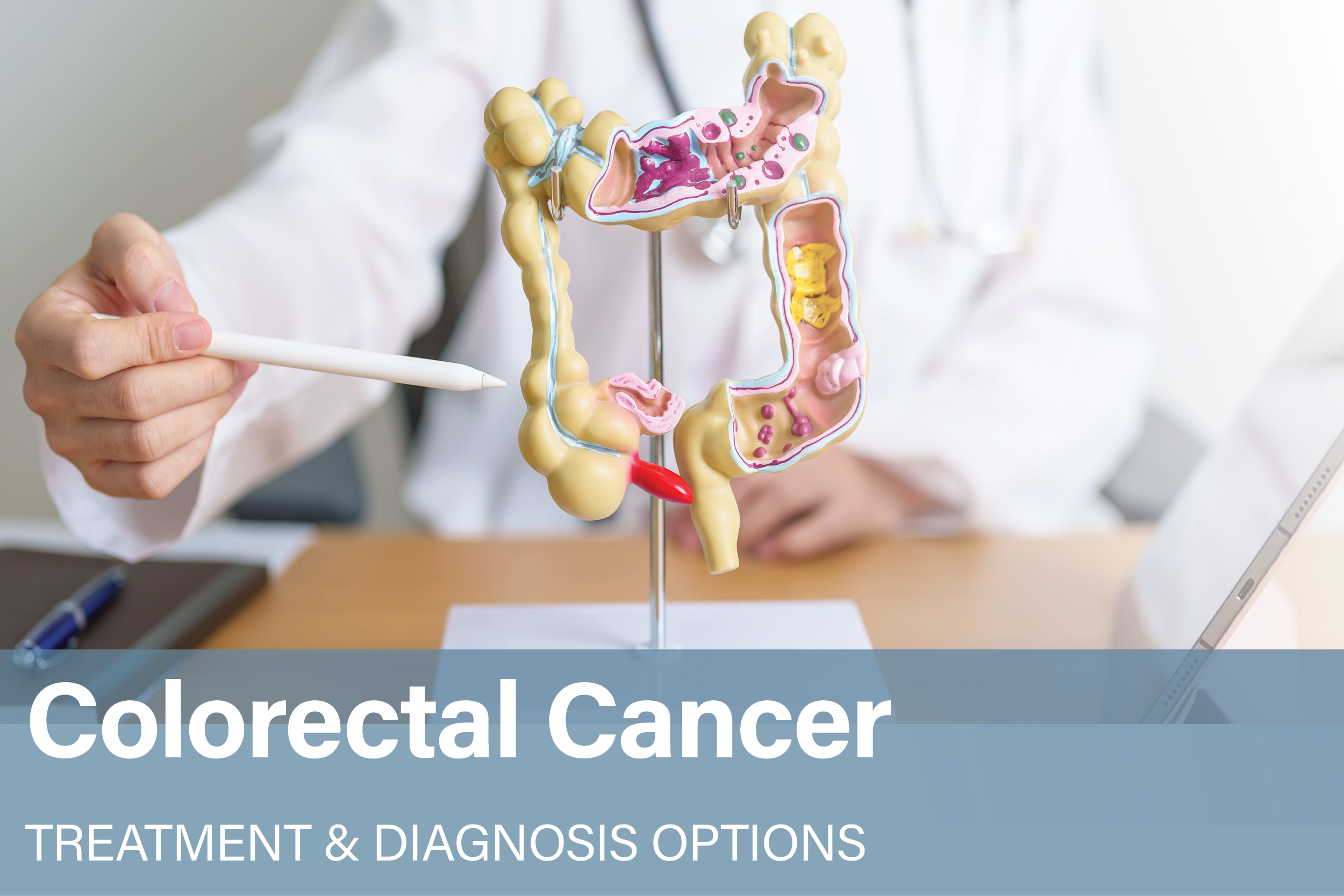
Colorectal Cancer: Treatment & Diagnosis Options

Colorectal cancer remains a global health concern, but progress in early detection and treatment offers hope.  

Diagnosis: 

  • Screening Tests: Key for early detection, including colonoscopies, FOBT, FIT, and stool DNA tests. 
  • Diagnostic Procedures: If abnormalities are detected, further tests like sigmoidoscopies, CT scans, MRI scans, or biopsies may be necessary. 

Treatment Options:  

Surgery: Surgery is often the primary treatment for colorectal cancer. The goal of surgery is to remove the cancerous tumor and any surrounding affected tissue. Depending on the stage and location of the cancer, surgical options may include polypectomy, local excision, colectomy, or ostomy procedures.  

Chemotherapy: Chemotherapy may be used before or after surgery to shrink tumors, kill cancer cells, or prevent the spread of cancer to other parts of the body. Chemotherapy drugs may be administered orally, intravenously, or directly into the abdominal cavity, depending on the specific treatment plan.  

Radiation Therapy: Radiation therapy uses high-energy beams to target and destroy cancer cells. It may be used alone or in combination with surgery and chemotherapy to treat colorectal cancer, particularly in cases where the cancer has spread to nearby tissues or lymph nodes.  

Targeted Therapy: Targeted therapy drugs are designed to specifically target cancer cells while minimizing damage to healthy cells. These drugs may be used in combination with chemotherapy or as standalone treatments for advanced colorectal cancer that has not responded to other therapies.  

Immunotherapy: Immunotherapy works by stimulating the body’s immune system to recognize and attack cancer cells. While not yet a standard treatment for colorectal cancer, ongoing research is exploring the potential of immunotherapy drugs in treating advanced or recurrent colorectal cancer.   

By understanding the diagnostic procedures and treatment options available, patients and their caregivers can make informed decisions about their care and work towards the best possible outcomes. Regular screening, early detection, and timely intervention remain the cornerstones of successful colorectal cancer management. 

Screening for Colorectal Cancer

Colorectal cancer screening is crucial for early detection and improved outcomes. Here’s why it matters and the screening options available: 

Why Screening Matters: 

  1. Early Detection: Detecting colorectal cancer early increases treatment success and survival rates. 
  1. Prevention: Screening can identify precancerous polyps, allowing for their removal before they become cancerous.   

Screening Options: 

Several screening tests are available for colorectal cancer and are recommend if you are 45 and average risk. If you are high risk, or have family history, your doctor might recommend earlier screening. Please be sure to discuss screening recommendations with your physician.  

  1. Colonoscopy: A colonoscopy is considered the gold standard for colorectal cancer screening. During this procedure, a flexible tube with a camera is inserted into the colon to examine the lining for abnormalities or polyps. If polyps are found, they can be removed during the procedure. 
  1. Fecal Occult Blood Test (FOBT) and Fecal Immunochemical Test (FIT): These tests detect blood in the stool, which can be a sign of colorectal cancer or precancerous polyps. They are non-invasive and can be done at home by collecting stool samples and sending them to a lab for analysis. 
  1. Stool DNA Test (FIT-DNA): This test combines the detection of blood in the stool with the analysis of DNA markers associated with colorectal cancer. It can also be done at home by collecting stool samples and sending them to a lab for analysis. 
  1. Flexible Sigmoidoscopy: Similar to a colonoscopy, a sigmoidoscopy examines the lower part of the colon for polyps or abnormalities. However, it does not examine the entire colon. 
  1. CT Colonography (Virtual Colonoscopy): This imaging test uses a CT scanner to create detailed images of the colon. While less invasive than a traditional colonoscopy, it still requires bowel preparation and may miss small polyps. 

Regular screening for colorectal cancer is essential for early detection, improved outcomes, and prevention. Talk to your healthcare provider about which screening test is right for you based on your age, risk factors, and medical history. Remember, early detection saves lives.

Colorectal Cancer Symptoms: Know the Signs

Colorectal cancer is a prevalent and potentially life-threatening disease, but it’s often treatable when detected early. Recognizing the symptoms of colorectal cancer is crucial for prompt diagnosis and intervention. Below are signs and symptoms of colorectal cancer to be aware of, emphasizing the importance of paying attention to your body and seeking medical attention if any concerning symptoms arise.  

Common Symptoms of Colorectal Cancer: 

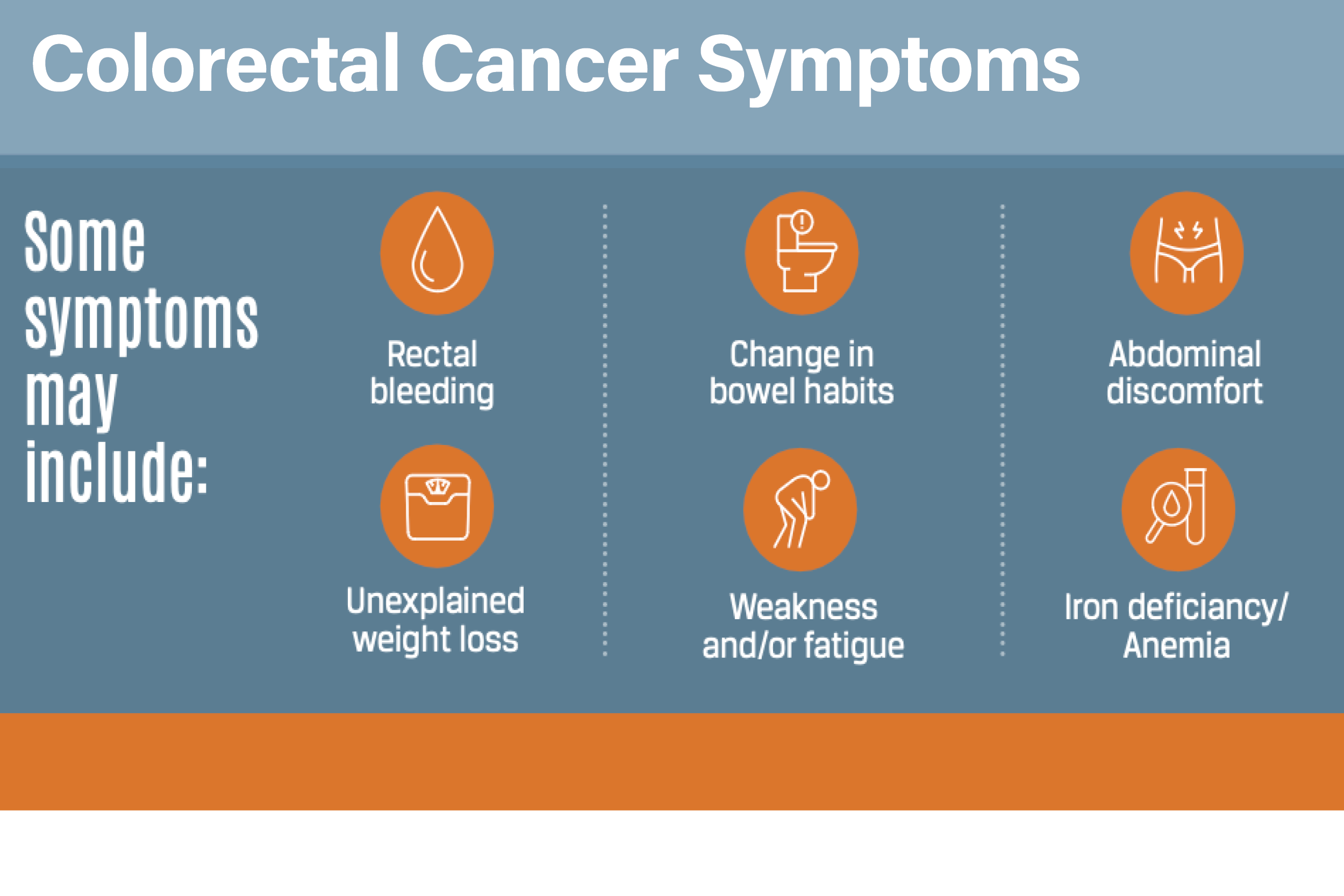
Changes in Bowel Habits: Persistent changes in bowel habits, such as diarrhea, constipation, or changes in stool consistency, may indicate colorectal cancer. Pay attention to any unusual or unexplained changes in your bathroom routine. 

Rectal Bleeding: Blood in the stool or rectal bleeding is a common symptom of colorectal cancer. While rectal bleeding may be caused by other conditions, such as hemorrhoids or anal fissures, it’s essential to consult a healthcare professional to rule out colorectal cancer. 

Abdominal Discomfort: Persistent abdominal pain, cramping, or discomfort, particularly if it’s accompanied by other symptoms, should be evaluated by a doctor. Colorectal cancer can cause abdominal discomfort as tumors grow and press on surrounding tissues. 

Unexplained Weight Loss: Unintentional weight loss, especially if it occurs rapidly and without changes in diet or exercise, can be a red flag for colorectal cancer. Cancer-related weight loss may be due to a combination of factors, including loss of appetite, changes in metabolism, and cancer-related fatigue. 

Fatigue: Fatigue or weakness that doesn’t improve with rest is another potential symptom of colorectal cancer. Cancer-related fatigue can be debilitating and may interfere with daily activities, so it’s essential to address it promptly.

When to Seek Medical Attention: 

If you experience any of the symptoms mentioned above, it’s crucial to consult a healthcare professional promptly. While these symptoms may not always indicate colorectal cancer, they should not be ignored, as early detection can significantly improve treatment outcomes. Your doctor can perform a thorough evaluation, including physical examination, medical history review, and diagnostic tests, to determine the underlying cause of your symptoms. 

Don’t hesitate to consult a healthcare professional if you experience any concerning symptoms. Remember, early detection saves lives. 

Colorectal Cancer Symptoms: Know the Signs

Colorectal cancer is a prevalent and potentially life-threatening disease, but it’s often treatable when detected early. Recognizing the symptoms of colorectal cancer is crucial for prompt diagnosis and intervention. Below are signs and symptoms of colorectal cancer to be aware of, emphasizing the importance of paying attention to your body and seeking medical attention if any concerning symptoms arise.  

Common Symptoms of Colorectal Cancer: 

Changes in Bowel Habits: Persistent changes in bowel habits, such as diarrhea, constipation, or changes in stool consistency, may indicate colorectal cancer. Pay attention to any unusual or unexplained changes in your bathroom routine. 

Rectal Bleeding: Blood in the stool or rectal bleeding is a common symptom of colorectal cancer. While rectal bleeding may be caused by other conditions, such as hemorrhoids or anal fissures, it’s essential to consult a healthcare professional to rule out colorectal cancer. 

Abdominal Discomfort: Persistent abdominal pain, cramping, or discomfort, particularly if it’s accompanied by other symptoms, should be evaluated by a doctor. Colorectal cancer can cause abdominal discomfort as tumors grow and press on surrounding tissues. 

Unexplained Weight Loss: Unintentional weight loss, especially if it occurs rapidly and without changes in diet or exercise, can be a red flag for colorectal cancer. Cancer-related weight loss may be due to a combination of factors, including loss of appetite, changes in metabolism, and cancer-related fatigue. 

Fatigue: Fatigue or weakness that doesn’t improve with rest is another potential symptom of colorectal cancer. Cancer-related fatigue can be debilitating and may interfere with daily activities, so it’s essential to address it promptly.

When to Seek Medical Attention: 

If you experience any of the symptoms mentioned above, it’s crucial to consult a healthcare professional promptly. While these symptoms may not always indicate colorectal cancer, they should not be ignored, as early detection can significantly improve treatment outcomes. Your doctor can perform a thorough evaluation, including physical examination, medical history review, and diagnostic tests, to determine the underlying cause of your symptoms. 

Don’t hesitate to consult a healthcare professional if you experience any concerning symptoms. Remember, early detection saves lives. 

Colorectal Cancer Symptoms: Know the Signs

Colorectal cancer is a prevalent and potentially life-threatening disease, but it’s often treatable when detected early. Recognizing the symptoms of colorectal cancer is crucial for prompt diagnosis and intervention. Below are signs and symptoms of colorectal cancer to be aware of, emphasizing the importance of paying attention to your body and seeking medical attention if any concerning symptoms arise.  

Common Symptoms of Colorectal Cancer: 

  1. Changes in Bowel Habits: Persistent changes in bowel habits, such as diarrhea, constipation, or changes in stool consistency, may indicate colorectal cancer. Pay attention to any unusual or unexplained changes in your bathroom routine. 
  1. Rectal Bleeding: Blood in the stool or rectal bleeding is a common symptom of colorectal cancer. While rectal bleeding may be caused by other conditions, such as hemorrhoids or anal fissures, it’s essential to consult a healthcare professional to rule out colorectal cancer. 
  1. Abdominal Discomfort: Persistent abdominal pain, cramping, or discomfort, particularly if it’s accompanied by other symptoms, should be evaluated by a doctor. Colorectal cancer can cause abdominal discomfort as tumors grow and press on surrounding tissues. 
  1. Unexplained Weight Loss: Unintentional weight loss, especially if it occurs rapidly and without changes in diet or exercise, can be a red flag for colorectal cancer. Cancer-related weight loss may be due to a combination of factors, including loss of appetite, changes in metabolism, and cancer-related fatigue. 
  1. Fatigue: Fatigue or weakness that doesn’t improve with rest is another potential symptom of colorectal cancer. Cancer-related fatigue can be debilitating and may interfere with daily activities, so it’s essential to address it promptly.

When to Seek Medical Attention: 

If you experience any of the symptoms mentioned above, it’s crucial to consult a healthcare professional promptly. While these symptoms may not always indicate colorectal cancer, they should not be ignored, as early detection can significantly improve treatment outcomes. Your doctor can perform a thorough evaluation, including physical examination, medical history review, and diagnostic tests, to determine the underlying cause of your symptoms. 

Don’t hesitate to consult a healthcare professional if you experience any concerning symptoms. Remember, early detection saves lives. 

Colorectal Cancer Symptoms: Know the Signs

Colorectal cancer is a prevalent and potentially life-threatening disease, but it’s often treatable when detected early. Recognizing the symptoms of colorectal cancer is crucial for prompt diagnosis and intervention. Below are signs and symptoms of colorectal cancer to be aware of, emphasizing the importance of paying attention to your body and seeking medical attention if any concerning symptoms arise.  

Common Symptoms of Colorectal Cancer: 

  1. Changes in Bowel Habits: Persistent changes in bowel habits, such as diarrhea, constipation, or changes in stool consistency, may indicate colorectal cancer. Pay attention to any unusual or unexplained changes in your bathroom routine. 
  1. Rectal Bleeding: Blood in the stool or rectal bleeding is a common symptom of colorectal cancer. While rectal bleeding may be caused by other conditions, such as hemorrhoids or anal fissures, it’s essential to consult a healthcare professional to rule out colorectal cancer. 
  1. Abdominal Discomfort: Persistent abdominal pain, cramping, or discomfort, particularly if it’s accompanied by other symptoms, should be evaluated by a doctor. Colorectal cancer can cause abdominal discomfort as tumors grow and press on surrounding tissues. 
  1. Unexplained Weight Loss: Unintentional weight loss, especially if it occurs rapidly and without changes in diet or exercise, can be a red flag for colorectal cancer. Cancer-related weight loss may be due to a combination of factors, including loss of appetite, changes in metabolism, and cancer-related fatigue. 
  1. Fatigue: Fatigue or weakness that doesn’t improve with rest is another potential symptom of colorectal cancer. Cancer-related fatigue can be debilitating and may interfere with daily activities, so it’s essential to address it promptly.

When to Seek Medical Attention: 

If you experience any of the symptoms mentioned above, it’s crucial to consult a healthcare professional promptly. While these symptoms may not always indicate colorectal cancer, they should not be ignored, as early detection can significantly improve treatment outcomes. Your doctor can perform a thorough evaluation, including physical examination, medical history review, and diagnostic tests, to determine the underlying cause of your symptoms. 

Don’t hesitate to consult a healthcare professional if you experience any concerning symptoms. Remember, early detection saves lives. 

Colorectal Cancer: Causes & Risk Factors


Colorectal cancer, is influenced by genetic, lifestyle, and environmental factors. Understanding its causes and risk factors is key for prevention and early detection.

Causes:

Genetic predisposition: Certain genetic mutations like FAP or Lynch syndrome increase susceptibility.

Inflammation: Chronic conditions like IBD raise the risk of colorectal disease.

Diet and lifestyle: High red meat consumption, low fiber intake, smoking, and obesity are associated with higher risks.

Risk Factors:

Age: Risk increases after 50, making regular screenings vital.

Family history: Those with relatives with colorectal disease are at higher risk.

Personal history: Previous diagnoses of colorectal cancer or polyps increase susceptibility.

Lifestyle: Unhealthy habits like poor diet and lack of exercise elevate risk.

Medical conditions: Diabetes, obesity, and chronic inflammatory conditions increase susceptibility.

Promoting Colorectal Health:

Adopt a healthy lifestyle: Balanced diet, exercise, no smoking, limited alcohol.

Get screened: Regular screenings, starting at 45 or earlier for high-risk individuals, aid early detection.

Know family history: Discuss family history with a healthcare provider for tailored advice.

Be vigilant: Pay attention to symptoms like changes in bowel habits and seek medical attention promptly.

By understanding causes, risk factors, and promoting healthy habits, individuals can lower their risk of colorectal disease and prioritize their well-being. Let’s spread awareness and encourage proactive health measures!