All Posts By

[email protected]

What is Colorectal Cancer?

Colorectal cancer, often referred to as bowel cancer, colon cancer, or rectal cancer, is a type of cancer that affects the colon or rectum. It’s one of the most common forms of cancer worldwide, but with early detection and appropriate treatment, it is highly treatable.

This type of cancer typically develops from polyps, abnormal growths in the lining of the colon or rectum. While not all polyps become cancerous, some have the potential to transform into cancer over time. The causes of colorectal cancer are multifactorial and may involve a combination of genetic, environmental, and lifestyle factors.

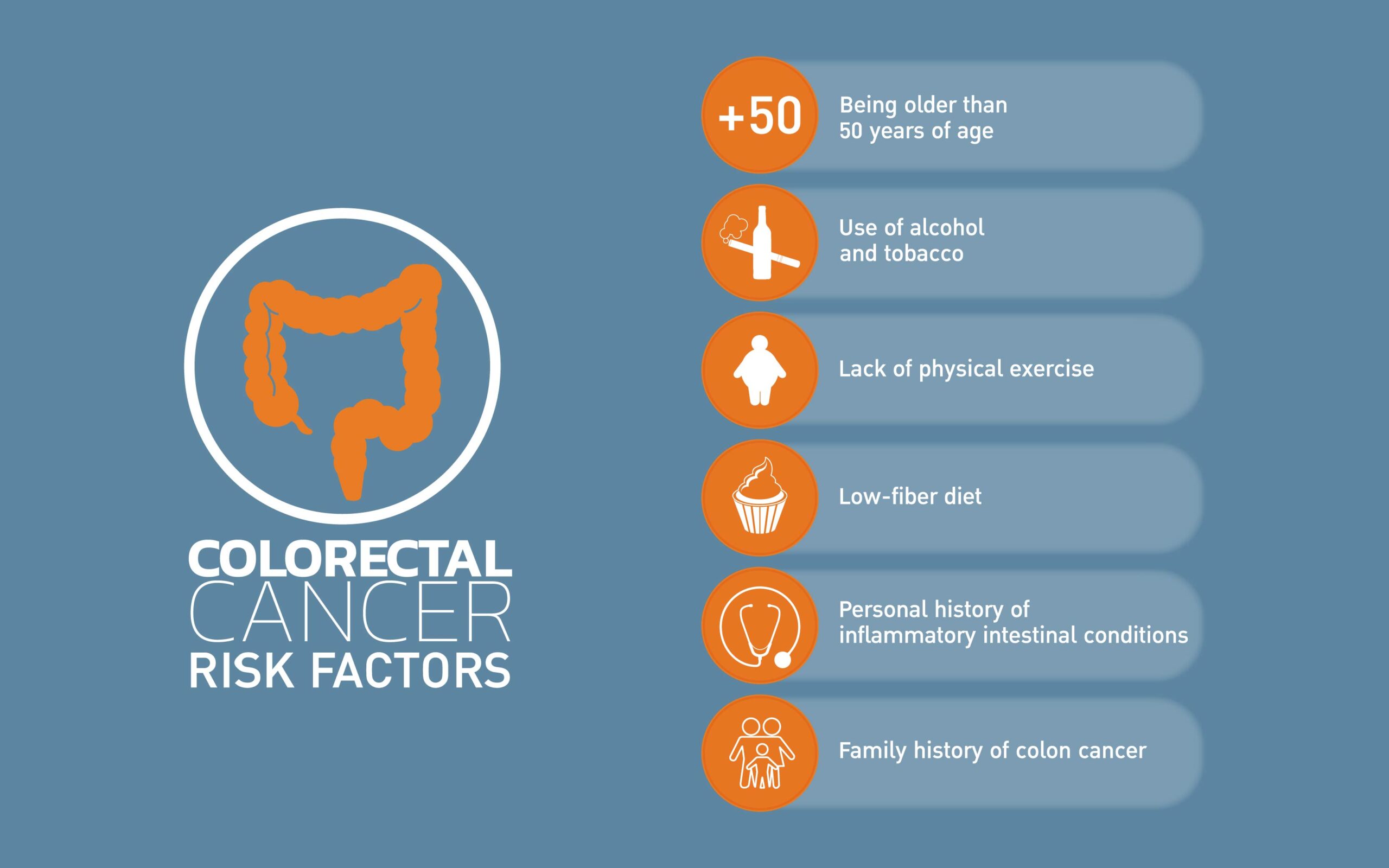
Risk factors for colorectal cancer include age, family history of colorectal cancer or polyps, personal history of inflammatory bowel disease, certain genetic syndromes, diets high in red and processed meats, sedentary lifestyles, obesity, smoking, and heavy alcohol use. Recognizing these risk factors is crucial for understanding one’s susceptibility to the disease.

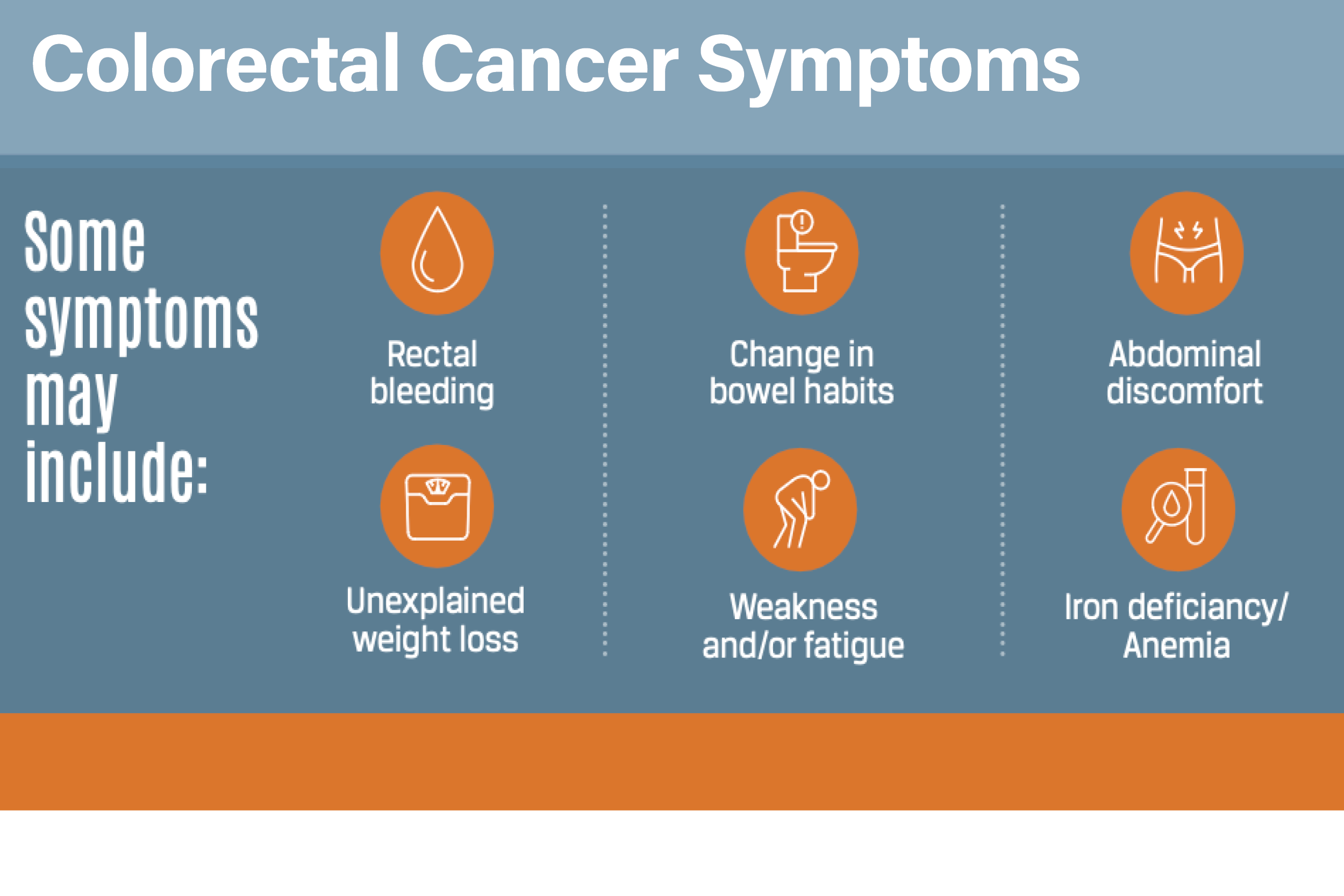
Common symptoms of colorectal cancer may include a change in bowel habits, rectal bleeding or blood in the stool, persistent abdominal discomfort, weakness or fatigue, and unexplained weight loss. However, it’s important to note that early-stage colorectal cancer often shows no symptoms, underscoring the importance of regular screening for early detection.

By increasing awareness and understanding of this disease, individuals can take proactive steps to limit their risk and seek timely medical attention.

What is Colorectal Cancer?

Colorectal cancer, often referred to as bowel cancer, colon cancer, or rectal cancer, is a type of cancer that affects the colon or rectum. It’s one of the most common forms of cancer worldwide, but with early detection and appropriate treatment, it is highly treatable.

This type of cancer typically develops from polyps, abnormal growths in the lining of the colon or rectum. While not all polyps become cancerous, some have the potential to transform into cancer over time. The causes of colorectal cancer are multifactorial and may involve a combination of genetic, environmental, and lifestyle factors.

Risk factors for colorectal cancer include age, family history of colorectal cancer or polyps, personal history of inflammatory bowel disease, certain genetic syndromes, diets high in red and processed meats, sedentary lifestyles, obesity, smoking, and heavy alcohol use. Recognizing these risk factors is crucial for understanding one’s susceptibility to the disease.

Common symptoms of colorectal cancer may include a change in bowel habits, rectal bleeding or blood in the stool, persistent abdominal discomfort, weakness or fatigue, and unexplained weight loss. However, it’s important to note that early-stage colorectal cancer often shows no symptoms, underscoring the importance of regular screening for early detection.

By increasing awareness and understanding of this disease, individuals can take proactive steps to limit their risk and seek timely medical attention.

What is Colorectal Cancer?

Colorectal cancer, often referred to as bowel cancer, colon cancer, or rectal cancer, is a type of cancer that affects the colon or rectum. It’s one of the most common forms of cancer worldwide, but with early detection and appropriate treatment, it is highly treatable.

This type of cancer typically develops from polyps, abnormal growths in the lining of the colon or rectum. While not all polyps become cancerous, some have the potential to transform into cancer over time. The causes of colorectal cancer are multifactorial and may involve a combination of genetic, environmental, and lifestyle factors.

Risk factors for colorectal cancer include age, family history of colorectal cancer or polyps, personal history of inflammatory bowel disease, certain genetic syndromes, diets high in red and processed meats, sedentary lifestyles, obesity, smoking, and heavy alcohol use. Recognizing these risk factors is crucial for understanding one’s susceptibility to the disease.

Common symptoms of colorectal cancer may include a change in bowel habits, rectal bleeding or blood in the stool, persistent abdominal discomfort, weakness or fatigue, and unexplained weight loss. However, it’s important to note that early-stage colorectal cancer often shows no symptoms, underscoring the importance of regular screening for early detection.

By increasing awareness and understanding of this disease, individuals can take proactive steps to limit their risk and seek timely medical attention.

What is Colorectal Cancer?

Colorectal cancer, often referred to as bowel cancer, colon cancer, or rectal cancer, is a type of cancer that affects the colon or rectum. It’s one of the most common forms of cancer worldwide, but with early detection and appropriate treatment, it is highly treatable.

This type of cancer typically develops from polyps, abnormal growths in the lining of the colon or rectum. While not all polyps become cancerous, some have the potential to transform into cancer over time. The causes of colorectal cancer are multifactorial and may involve a combination of genetic, environmental, and lifestyle factors.

Risk factors for colorectal cancer include age, family history of colorectal cancer or polyps, personal history of inflammatory bowel disease, certain genetic syndromes, diets high in red and processed meats, sedentary lifestyles, obesity, smoking, and heavy alcohol use. Recognizing these risk factors is crucial for understanding one’s susceptibility to the disease.

Common symptoms of colorectal cancer may include a change in bowel habits, rectal bleeding or blood in the stool, persistent abdominal discomfort, weakness or fatigue, and unexplained weight loss. However, it’s important to note that early-stage colorectal cancer often shows no symptoms, underscoring the importance of regular screening for early detection.

By increasing awareness and understanding of this disease, individuals can take proactive steps to limit their risk and seek timely medical attention.

The Power of Healthy Lifestyle Practices for Cancer Prevention


Healthy lifestyle practices can have a significant impact in reducing the risk of cancer. Incorporating healthy habits like focused nutrition, physical activity, staying away from tobacco, and sun safety, you can prevent various types of cancer.

Nourishing the Body for Wellness

Nutrition plays a fundamental role in cancer prevention. By incorporating balanced and nutritious diet rich in fruits, vegetables, whole grains, and lean proteins, individuals can fortify their bodies with essential nutrients and antioxidants that support overall health and reduce the risk of certain cancers.

The Power of Physical Activity

Regular physical activity contributes to overall fitness and cancer prevention. Engaging in moderate to vigorous physical activities can help individuals maintain a healthy weight, reduce the risk of certain cancers, and promote overall well-being.

Breaking Free from Tobacco

Staying away from tobacco is critical in cancer prevention. By quitting smoking and avoiding exposure to secondhand smoke, individuals can significantly lower their risk of developing lung cancer and other tobacco-related cancers.

Embracing Sun Safety Practices

Practicing sun safety, such as using sunscreen, wearing protective clothing, and seeking shade, can help reduce the risk of skin cancer caused by harmful ultraviolet (UV) radiation.

Taking Charge of Our Health

Together, let’s prioritize our health and well-being. Our providers are here to help! Contact us today to learn more about our services.

Early Detection and Screening for Cancer

As we commemorate National Cancer Prevention Month, it is crucial to recognize the importance of early detection and screening in the ongoing battle against cancer. Regular screenings for different cancer types can greatly impact timely intervention and treatment outcomes.

Importance of Regular Screenings

Regular screenings for various types of cancer, such as breast, cervical, colorectal, prostate, and lung cancer, play a fundamental role in detecting cancer at its earliest stages. These screenings allow healthcare professionals to identify abnormalities or cancerous growths before symptoms begin, increasing the chances of successful treatment and improved prognosis.

Available Screening Methods

From mammograms and Pap tests to colonoscopies and PSA tests, there are diverse screening methods tailored to detect different types of cancer. Understanding these screening options and their recommended frequencies allows patients to be involved with their preventive healthcare and advocate for their well-being.

Timely Intervention

Timely detection through screenings can significantly impact treatment outcomes, potentially leading to less aggressive interventions and higher survival rates. Early-stage cancer diagnosis often offers a wider array of treatment options, making proactive screening a vital component of comprehensive cancer prevention strategies.

Empowering Individuals

By emphasizing the critical role of early detection and screening, we aim to empower individuals with the knowledge and resources to minimize their cancer risk. Through awareness, education, and access to screening programs, we can collectively work towards reducing the burden of cancer.

Stand United for Cancer Prevention

By advocating for regular screenings, staying informed about available screening methods, and encouraging proactive healthcare practices, we can minimize the impact of cancer on individuals and communities.

Let’s continue to raise awareness, prioritize early detection, and practice proactive health initiatives. Together, we can make a difference in the fight against cancer.

Early Detection and Screening for Cancer

As we commemorate National Cancer Prevention Month, it is crucial to recognize the importance of early detection and screening in the ongoing battle against cancer. Regular screenings for different cancer types can greatly impact timely intervention and treatment outcomes.

Importance of Regular Screenings

Regular screenings for various types of cancer, such as breast, cervical, colorectal, prostate, and lung cancer, play a fundamental role in detecting cancer at its earliest stages. These screenings allow healthcare professionals to identify abnormalities or cancerous growths before symptoms begin, increasing the chances of successful treatment and improved prognosis.

Available Screening Methods

From mammograms and Pap tests to colonoscopies and PSA tests, there are diverse screening methods tailored to detect different types of cancer. Understanding these screening options and their recommended frequencies allows patients to be involved with their preventive healthcare and advocate for their well-being.

Timely Intervention

Timely detection through screenings can significantly impact treatment outcomes, potentially leading to less aggressive interventions and higher survival rates. Early-stage cancer diagnosis often offers a wider array of treatment options, making proactive screening a vital component of comprehensive cancer prevention strategies.

Empowering Individuals

By emphasizing the critical role of early detection and screening, we aim to empower individuals with the knowledge and resources to minimize their cancer risk. Through awareness, education, and access to screening programs, we can collectively work towards reducing the burden of cancer.

Stand United for Cancer Prevention

By advocating for regular screenings, staying informed about available screening methods, and encouraging proactive healthcare practices, we can minimize the impact of cancer on individuals and communities.

Let’s continue to raise awareness, prioritize early detection, and practice proactive health initiatives. Together, we can make a difference in the fight against cancer.

Cancer Risk Factors


As we honor National Cancer Prevention Month, it is important to know the factors that can contribute to the development of cancer. Lifestyle choices, environmental influences, genetics, and other variables can increase your risk of cancer. Understanding risk factors is critical to help prevent cancer.

Lifestyle Choices and Environmental Factors

Lifestyle choices such as tobacco use, poor diet, physical inactivity, and exposure to the sun can significantly influence your cancer risk. Understanding the impact of these factors empowers individuals to adopt healthier lifestyles and minimize their cancer risk.

Genetic Predisposition

Genetics plays a pivotal role in certain types of cancer. By recognizing hereditary cancer patterns and understanding genetic risk factors, patients can have discussions with their healthcare providers and consider genetic testing when appropriate.

Empowering Proactive Choices

Armed with knowledge about cancer risk factors, you can make proactive choices to reduce your cancer risk. Adopting healthier habits can help reduce your cancer risk.

Together, let’s take steps towards reducing the impact of cancer in our lives and communities. Our healthcare providers are here to help. Contact us to learn more about our services.

Cancer Risk Factors


As we honor National Cancer Prevention Month, it is important to know the factors that can contribute to the development of cancer. Lifestyle choices, environmental influences, genetics, and other variables can increase your risk of cancer. Understanding risk factors is critical to help prevent cancer.

Lifestyle Choices and Environmental Factors

Lifestyle choices such as tobacco use, poor diet, physical inactivity, and exposure to the sun can significantly influence your cancer risk. Understanding the impact of these factors empowers individuals to adopt healthier lifestyles and minimize their cancer risk.

Genetic Predisposition

Genetics plays a pivotal role in certain types of cancer. By recognizing hereditary cancer patterns and understanding genetic risk factors, patients can have discussions with their healthcare providers and consider genetic testing when appropriate.

Empowering Proactive Choices

Armed with knowledge about cancer risk factors, you can make proactive choices to reduce your cancer risk. Adopting healthier habits can help reduce your cancer risk.

Together, let’s take steps towards reducing the impact of cancer in our lives and communities. Our healthcare providers are here to help. Contact us to learn more about our services.

Cancer Risk Factors


As we honor National Cancer Prevention Month, it is important to know the factors that can contribute to the development of cancer. Lifestyle choices, environmental influences, genetics, and other variables can increase your risk of cancer. Understanding risk factors is critical to help prevent cancer.

Lifestyle Choices and Environmental Factors

Lifestyle choices such as tobacco use, poor diet, physical inactivity, and exposure to the sun can significantly influence your cancer risk. Understanding the impact of these factors empowers individuals to adopt healthier lifestyles and minimize their cancer risk.

Genetic Predisposition

Genetics plays a pivotal role in certain types of cancer. By recognizing hereditary cancer patterns and understanding genetic risk factors, patients can have discussions with their healthcare providers and consider genetic testing when appropriate.

Empowering Proactive Choices

Armed with knowledge about cancer risk factors, you can make proactive choices to reduce your cancer risk. Adopting healthier habits can help reduce your cancer risk.

Together, let’s take steps towards reducing the impact of cancer in our lives and communities. Our healthcare providers are here to help. Contact us to learn more about our services.